GFRP Rebar for Water Tanks
Stores water for a century — leak-free.
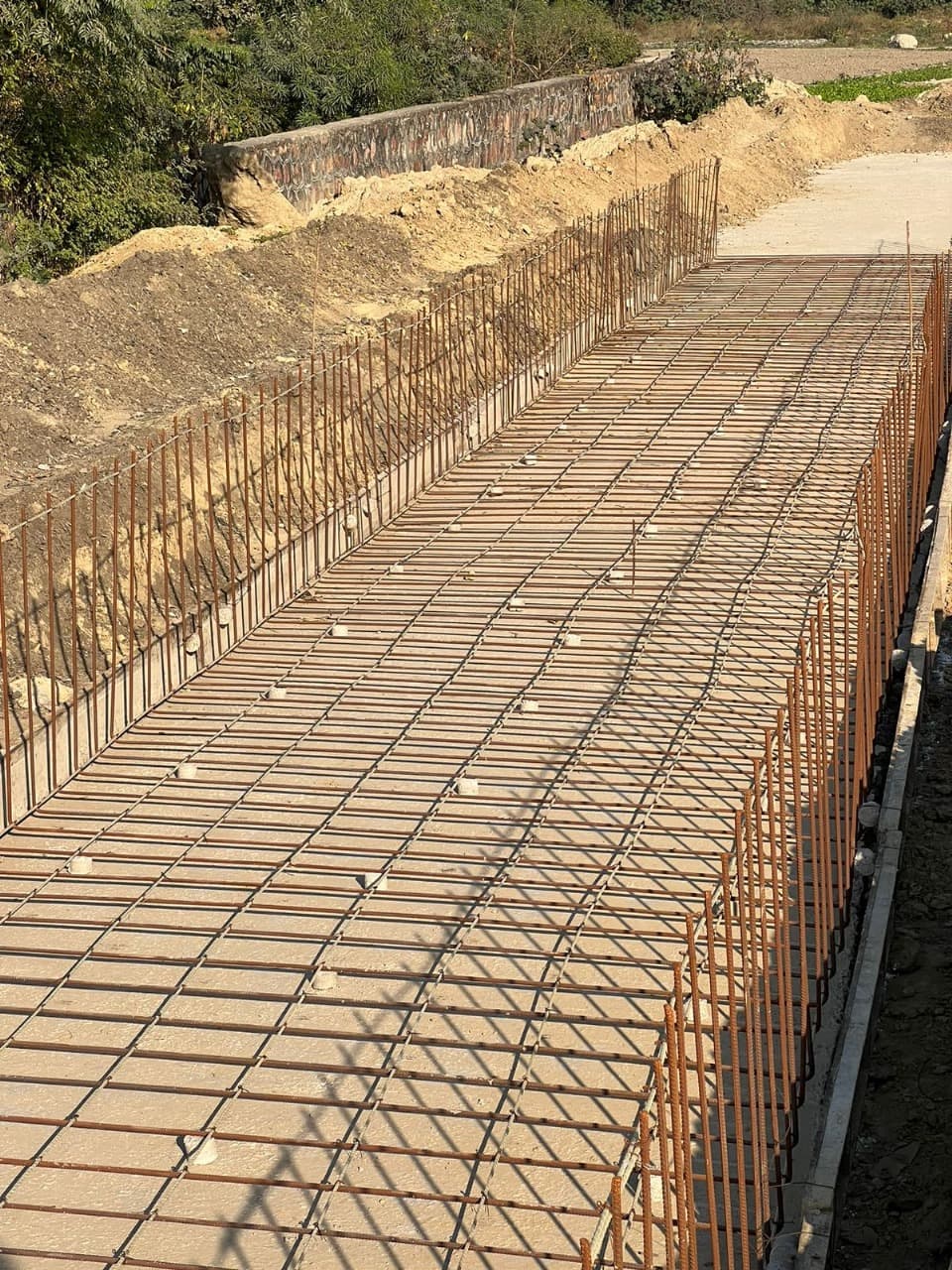
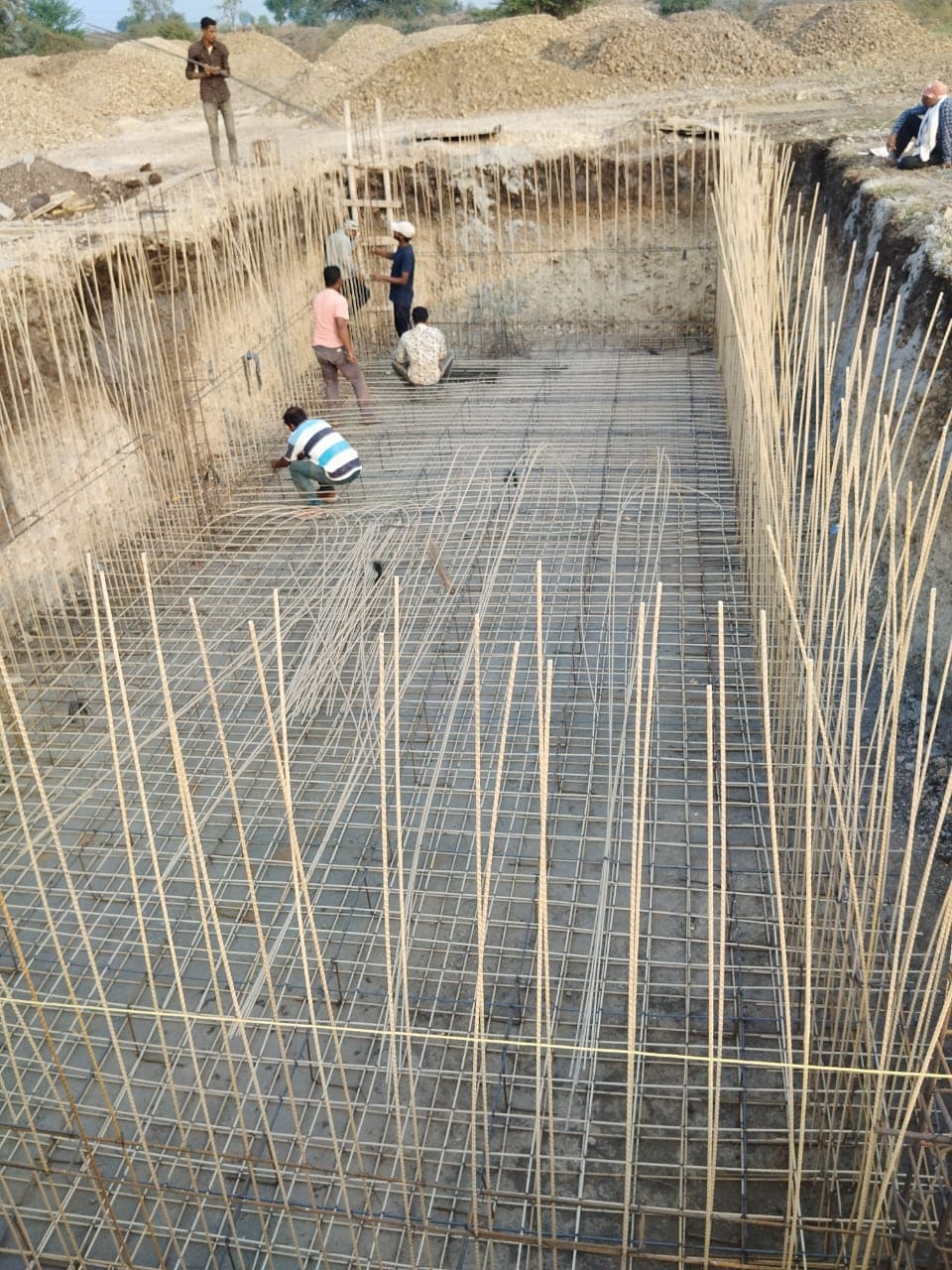
Underground sumps, overhead tanks and reservoirs keep reinforcement permanently damp. Endurobar never rusts, so water tanks stay watertight and contamination-free for their full life.
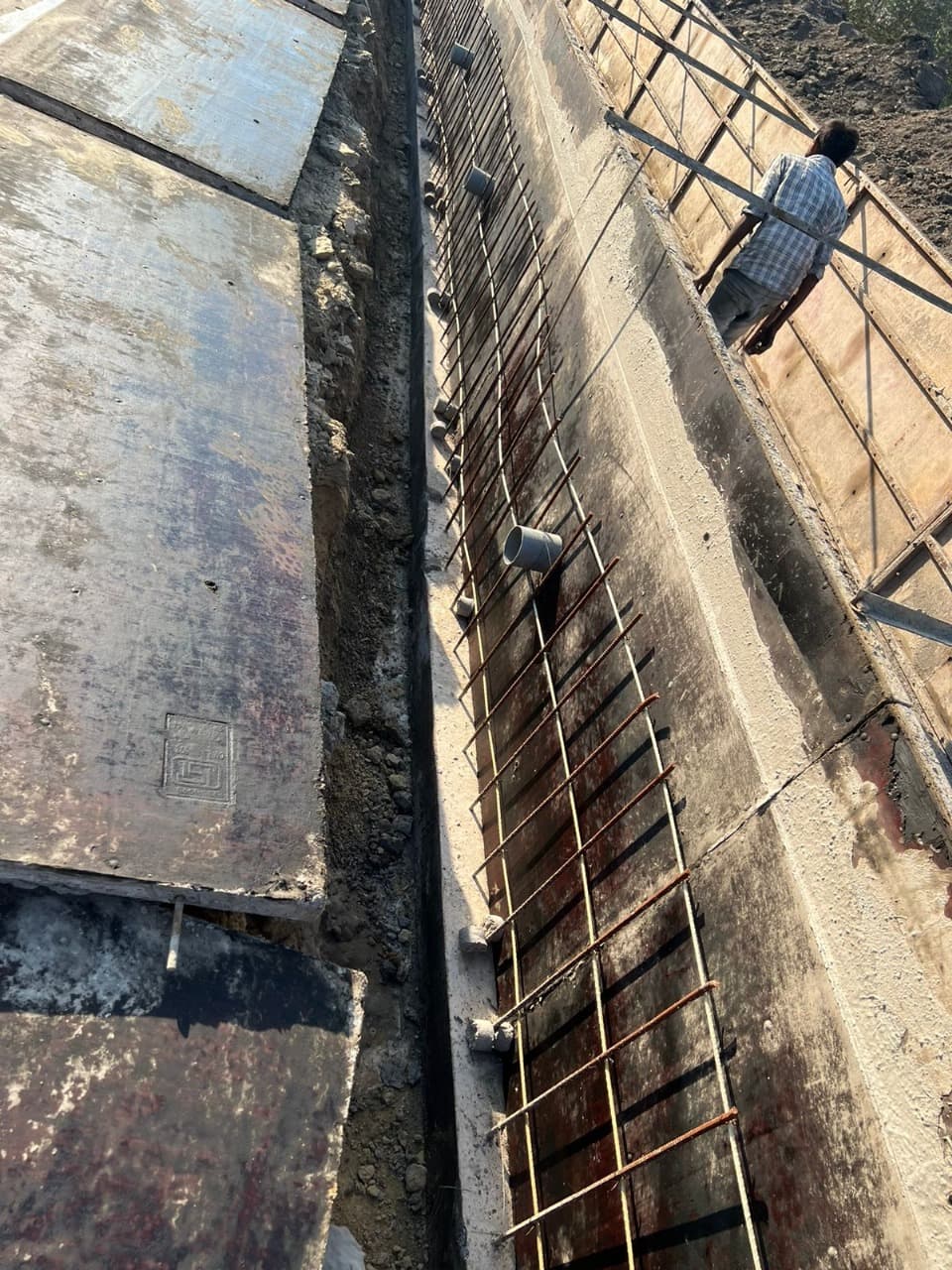
The Problem With Steel
Why steel lets these structures down
In this environment, corroding steel reinforcement is the single biggest threat to durability. Here's what goes wrong:
- Permanent moisture keeps embedded steel rusting around the clock.
- Rust expansion cracks tank walls and floors, causing leaks.
- Corrosion by-products can taint the quality of stored water.
- Draining and repairing tanks disrupts supply and costs heavily.
Why Endurobar Wins
Five reasons GFRP is the right call here
Corrosion Resistant
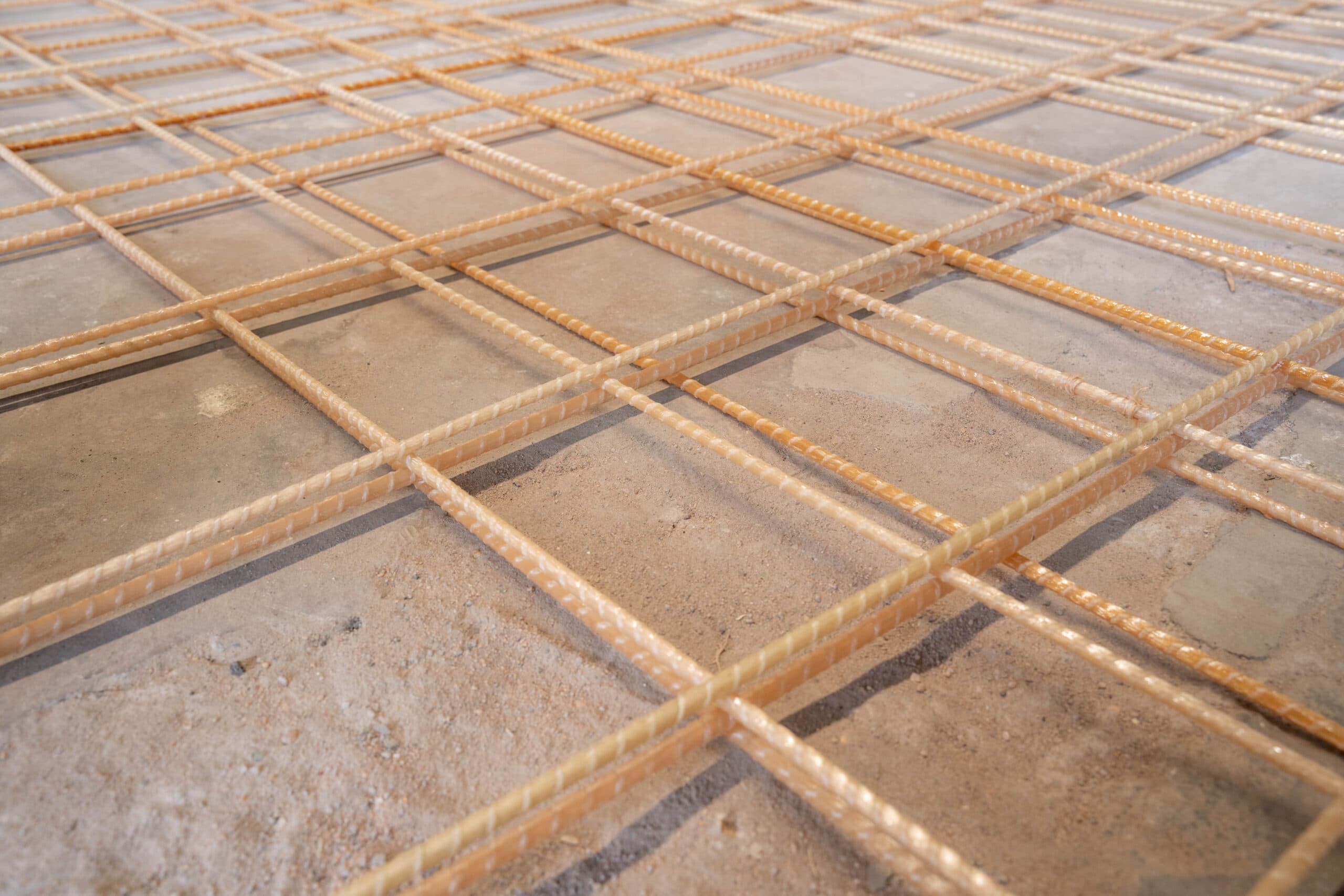
Never rusts and is fully compatible with water — no staining, spalling or cracking.
Chemically Inert
Unaffected by chlorine, salts, sulphates and treatment chemicals that destroy steel.
Non-Conductive
Carries no electrical current — a critical safety property near water and equipment.
2× The Strength
Roughly double the tensile strength of steel, so you reinforce with less material.
4× Lighter
A quarter of steel's weight — faster placement and far lower handling cost.
Where It Fits
Ideal for every variation
Underground sumps
Below-grade water storage that stays watertight for decades.
Overhead & elevated tanks
Exposed storage free of rust staining and spalling.
Reservoirs & WTPs
Large civic water structures with a 100-year design life.
Firewater & process tanks
Industrial storage immune to constant saturation.
GFRP vs. Steel
The performance gap, measured
Endurobar GFRP
Glass Fibre Reinforced Polymer
Conventional Steel
TMT / Metal Rebar
Frequently Asked
Good to know
Yes — GFRP is inert and does not leach corrosion products into stored water.
By eliminating rust expansion, GFRP avoids the wall cracking that causes most tank leaks.
Yes — we manufacture to schedule for large municipal and industrial water projects.