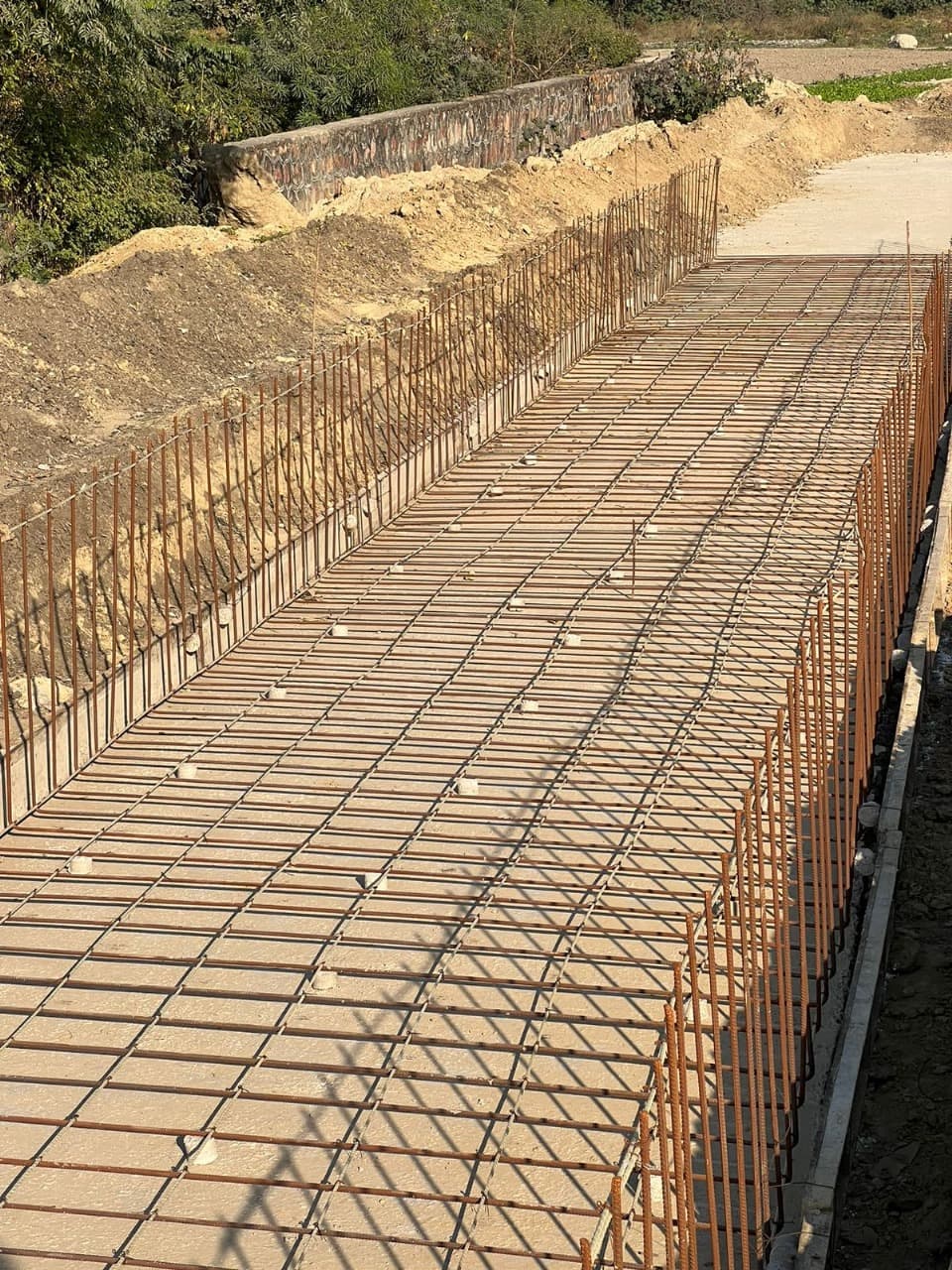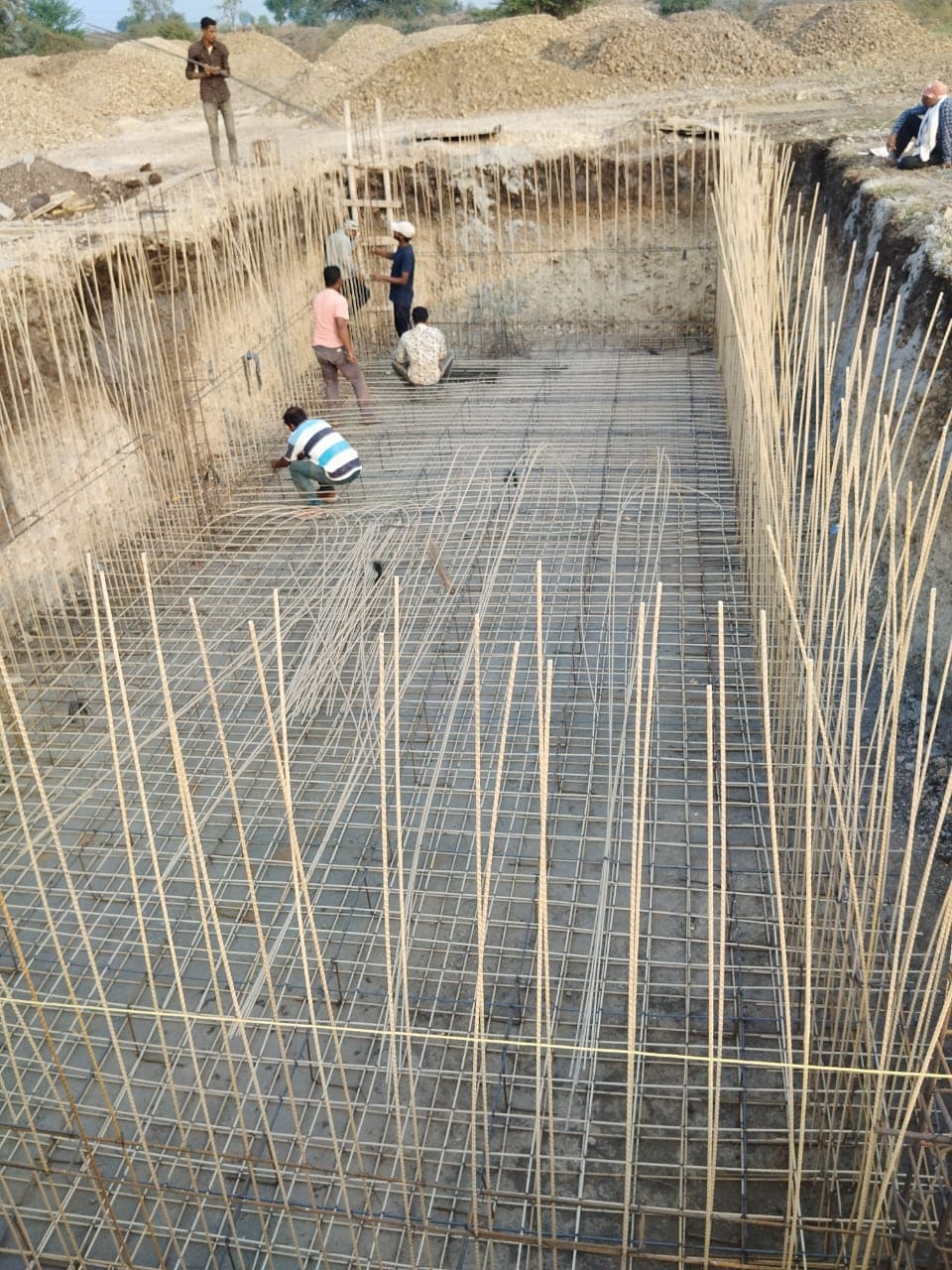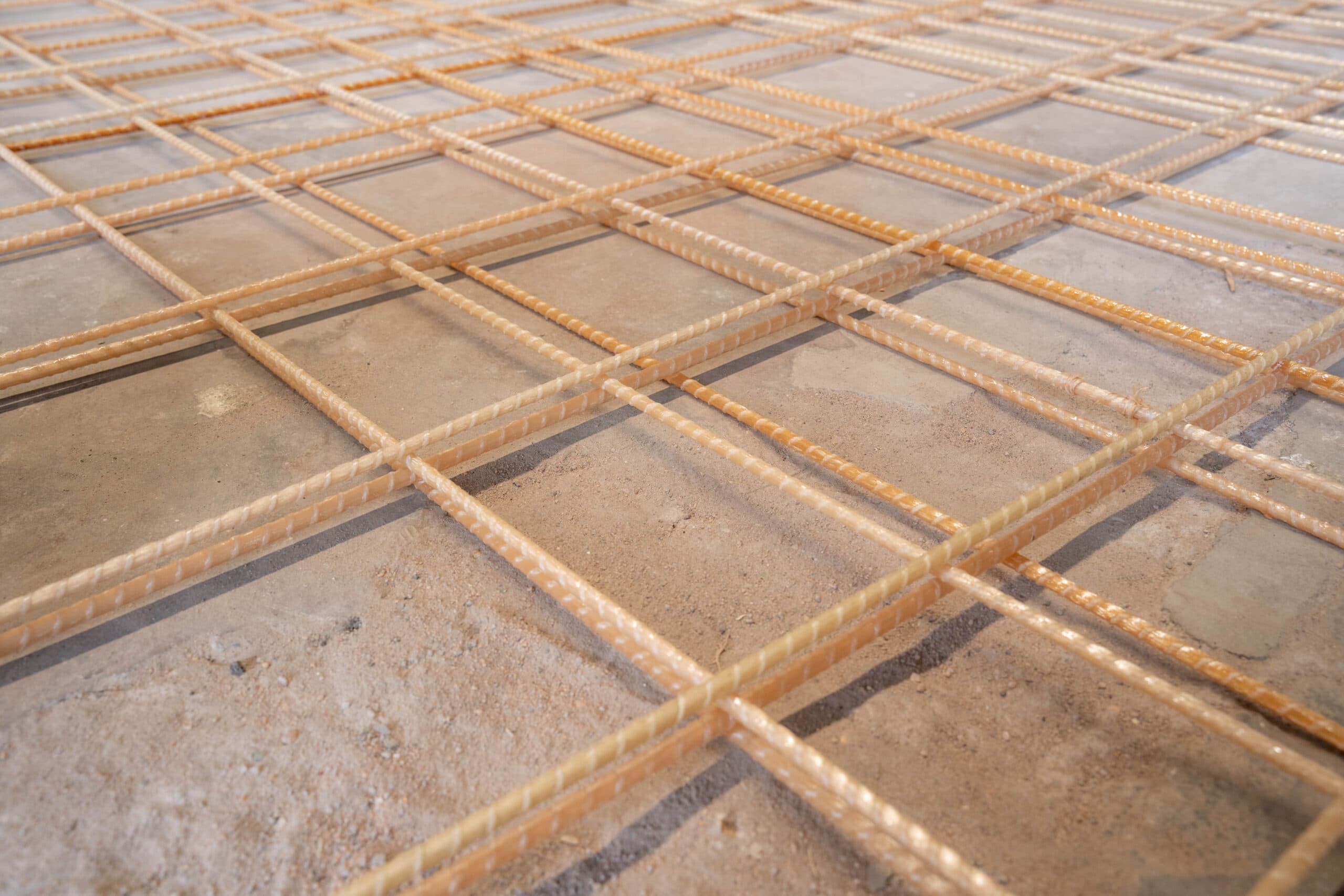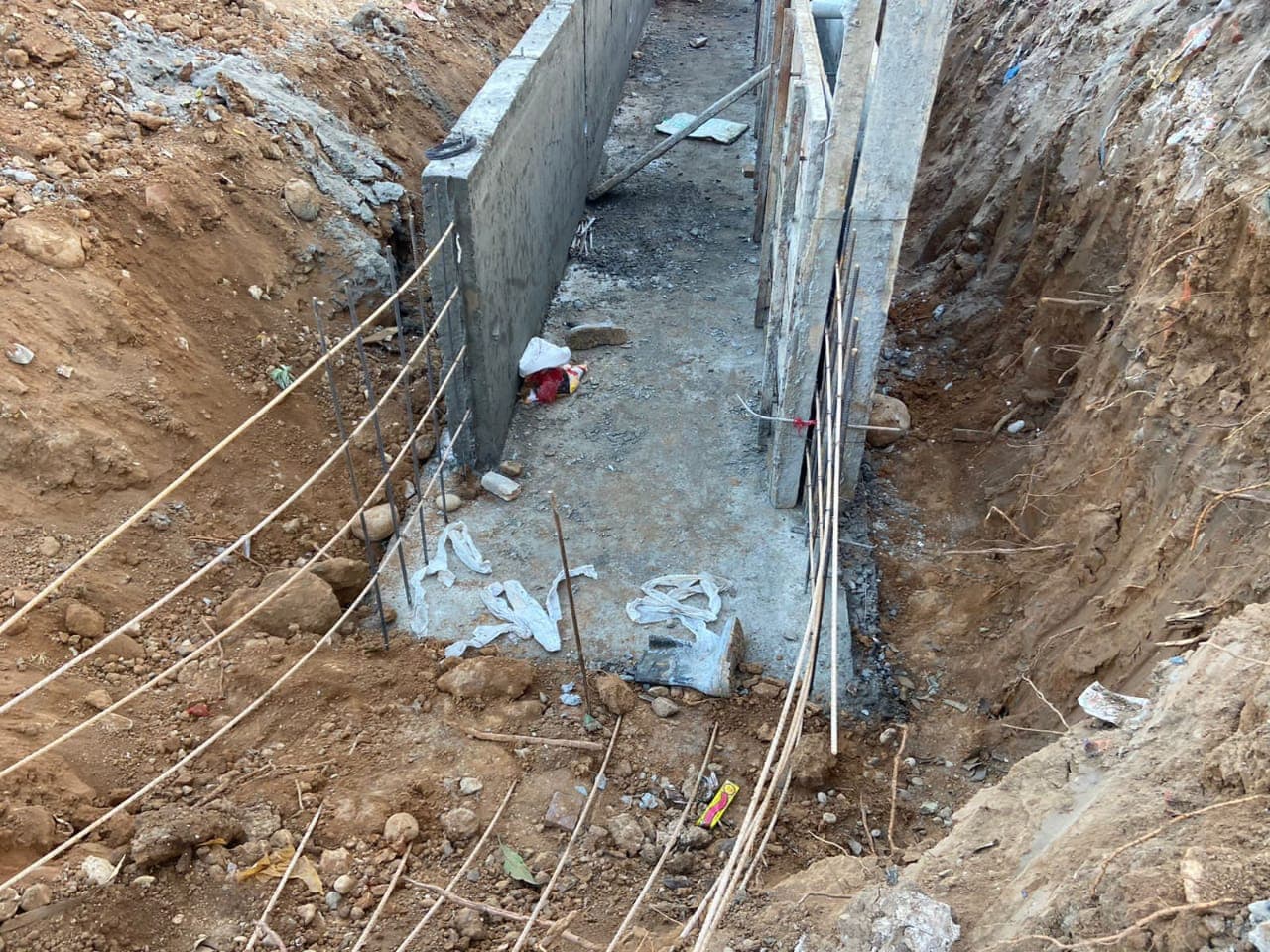
GFRP Rebar for Roads & RCC Pavements
Pavements that carry the load for the long haul.
RCC roads, highways and hardstanding endure water ingress, freeze-thaw and heavy axle loads. Endurobar keeps pavements sound without the corrosion that cracks conventional slabs.
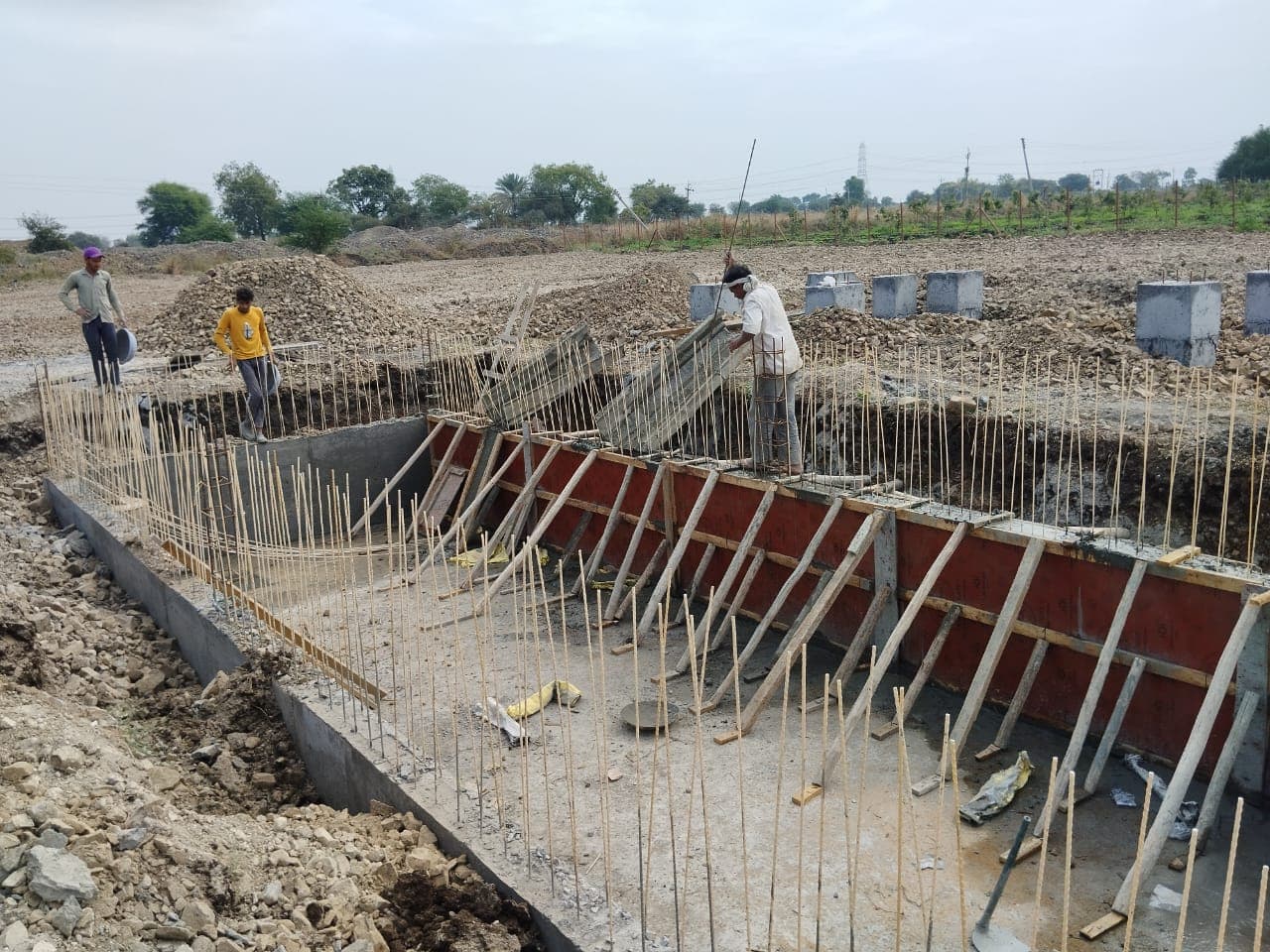
The Problem With Steel
Why steel lets these structures down
In this environment, corroding steel reinforcement is the single biggest threat to durability. Here's what goes wrong:
- Water ingress through joints corrodes pavement reinforcement.
- Rust expansion cracks and heaves rigid pavements.
- Repairs close lanes and disrupt traffic.
- Short maintenance cycles raise whole-life cost.
Why Endurobar Wins
Five reasons GFRP is the right call here
Corrosion Resistant
Never rusts and is fully compatible with water — no staining, spalling or cracking.
Chemically Inert
Unaffected by chlorine, salts, sulphates and treatment chemicals that destroy steel.
Non-Conductive
Carries no electrical current — a critical safety property near water and equipment.
2× The Strength
Roughly double the tensile strength of steel, so you reinforce with less material.
4× Lighter
A quarter of steel's weight — faster placement and far lower handling cost.
Where It Fits
Ideal for every variation
RCC highways & roads
NHAI-grade rigid pavements with a century-plus service life.
Service roads & yards
Industrial roads and container yards under heavy loads.
Bus bays & hardstanding
High-wear surfaces that resist water and salt.
Kerbs & channels
Edge and drainage elements immune to corrosion.
GFRP vs. Steel
The performance gap, measured
Endurobar GFRP
Glass Fibre Reinforced Polymer
Conventional Steel
TMT / Metal Rebar
Frequently Asked
Good to know
Yes — its high tensile strength and corrosion immunity make it ideal for long-life RCC pavements.
Reinforcement is designed to your traffic loading; GFRP's strength lets you meet capacity efficiently.
Yes, Endurobar GFRP is approved for national highway infrastructure work.