GFRP Rebar for Precast Concrete
Lighter cages, thinner sections, longer life.
Precast and modular production benefits from GFRP's light weight and thin cover — and every unit ships with a century of corrosion-free service built in.
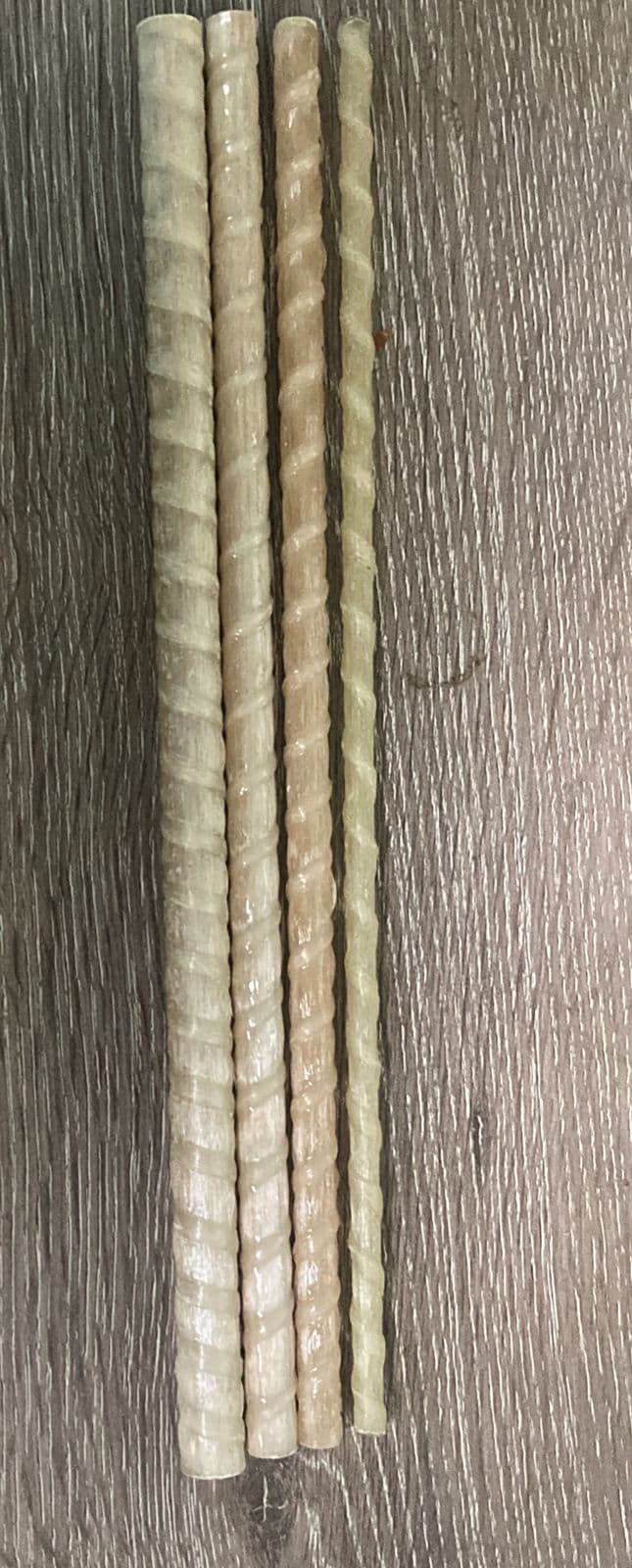
The Problem With Steel
Why steel lets these structures down
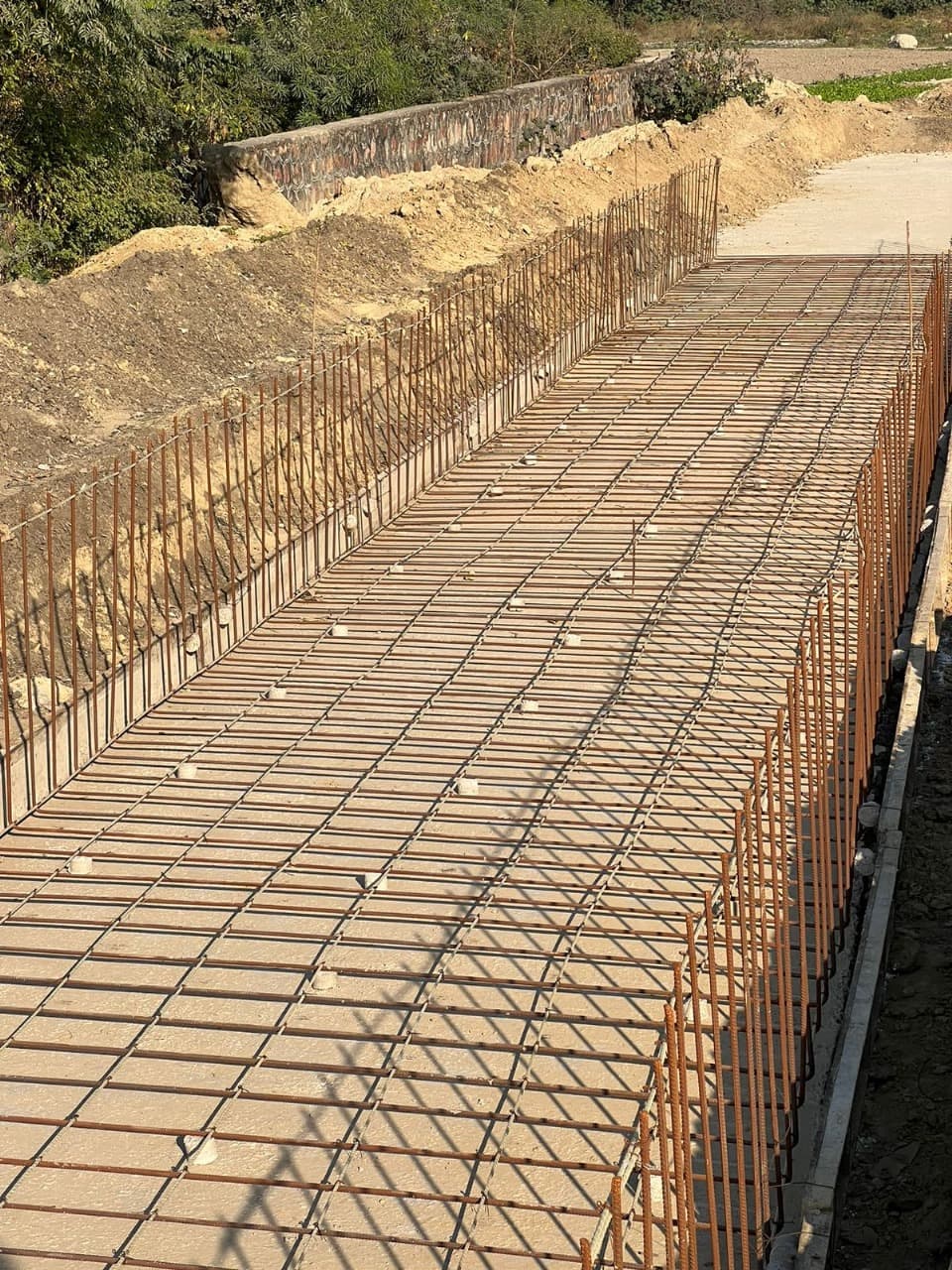
In this environment, corroding steel reinforcement is the single biggest threat to durability. Here's what goes wrong:
- Corrosion limits the durability of exposed precast units.
- Heavy steel cages slow handling and raise transport cost.
- Thick cover to protect steel adds weight and material.
- Rust staining spoils architectural precast finishes.
Why Endurobar Wins
Five reasons GFRP is the right call here
Corrosion Resistant
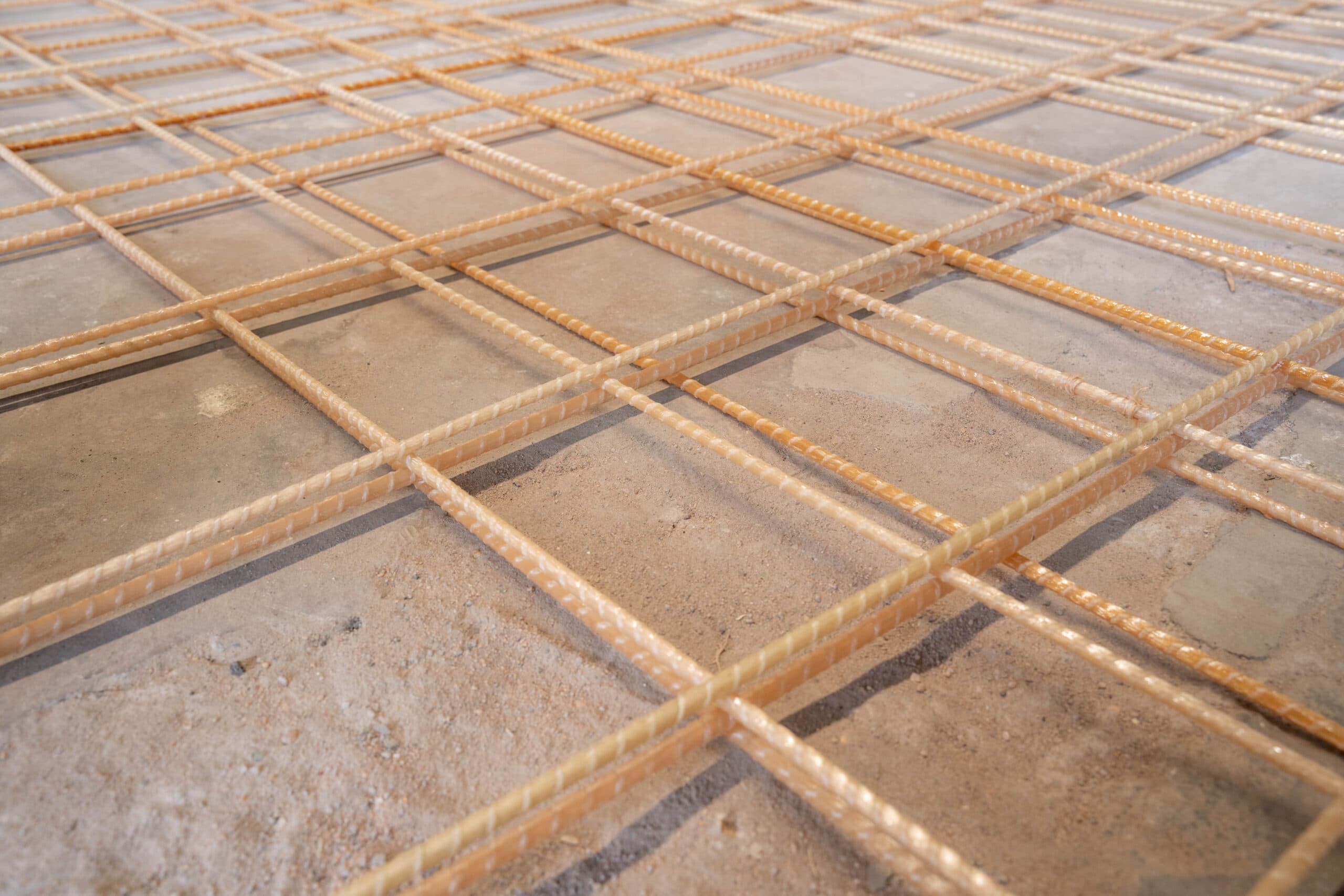
Never rusts and is fully compatible with water — no staining, spalling or cracking.
Chemically Inert
Unaffected by chlorine, salts, sulphates and treatment chemicals that destroy steel.
Non-Conductive
Carries no electrical current — a critical safety property near water and equipment.
2× The Strength
Roughly double the tensile strength of steel, so you reinforce with less material.
4× Lighter
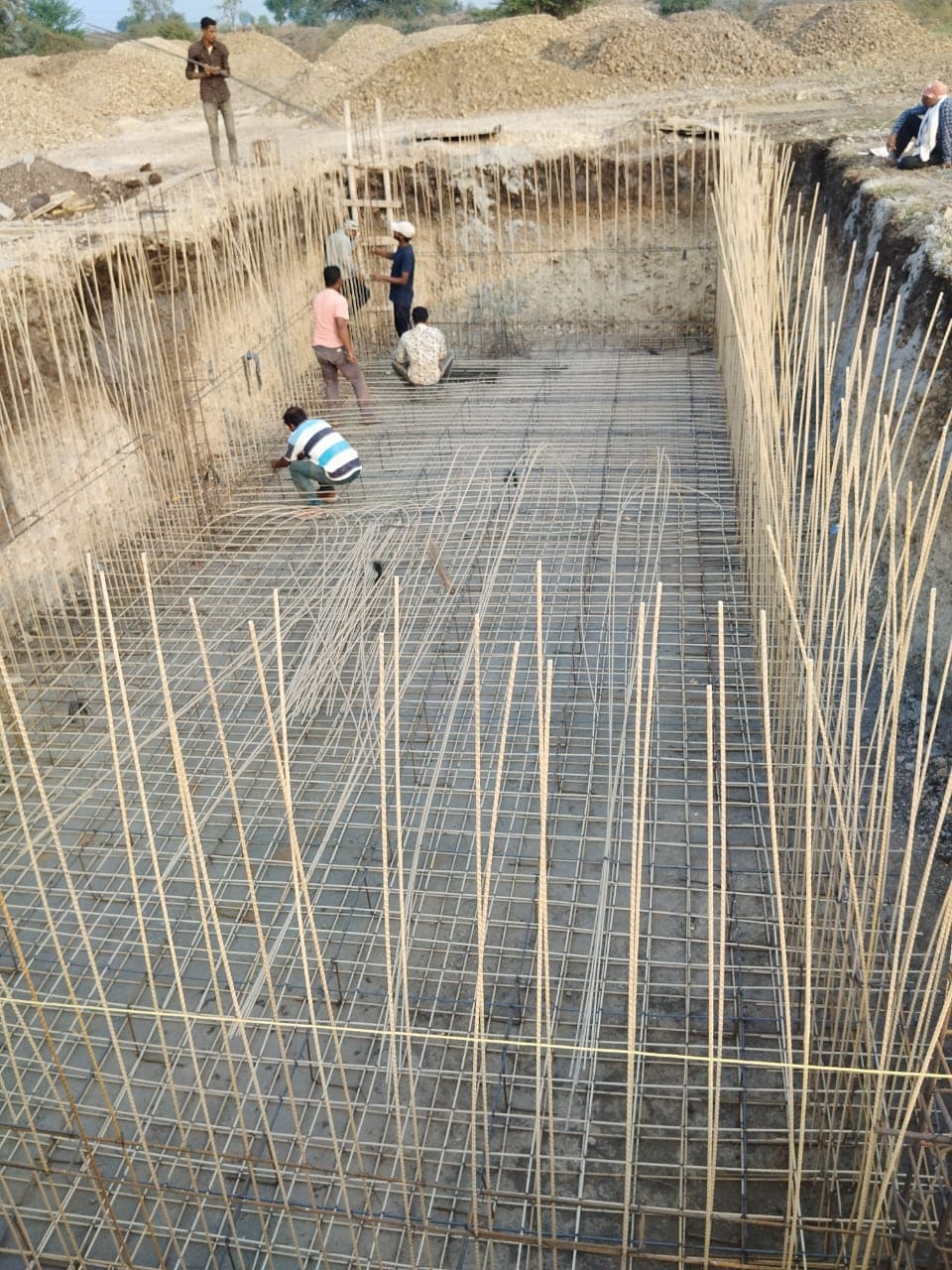
A quarter of steel's weight — faster placement and far lower handling cost.
Where It Fits
Ideal for every variation
Precast panels & facades
Architectural units that stay stain-free and slim.
Boundary & fencing units
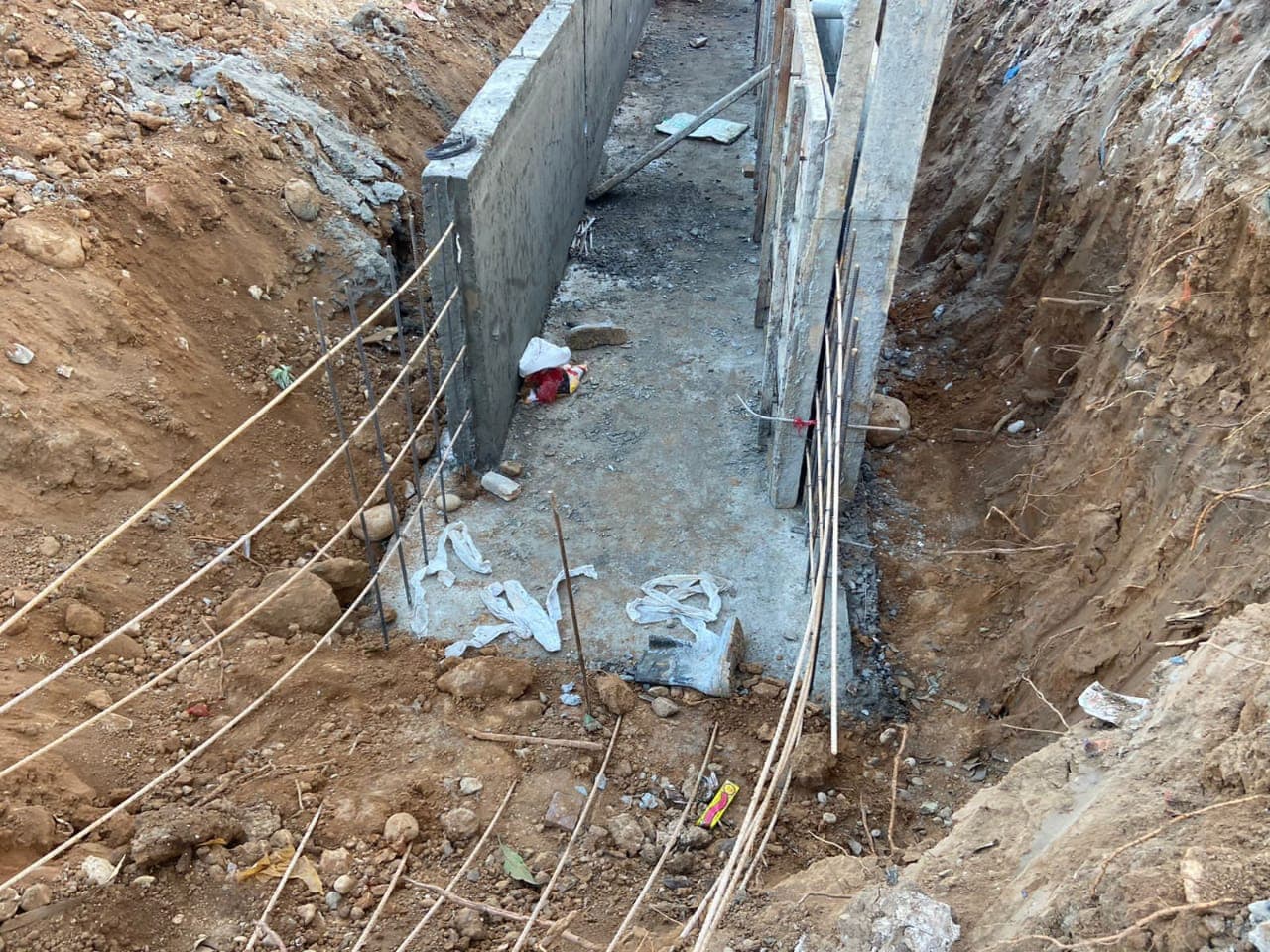
Exposed precast immune to weather and moisture.
Drainage & utility precast
Chambers and covers for wet, aggressive settings.
Modular & MEP elements
Lightweight cages that speed factory production.
GFRP vs. Steel
The performance gap, measured
Endurobar GFRP
Glass Fibre Reinforced Polymer
Conventional Steel
TMT / Metal Rebar
Frequently Asked
Good to know
Because there is no corrosion to protect against, GFRP can allow reduced cover, saving weight and material.
Yes — at a quarter of steel's weight, GFRP cages are far quicker and safer to move and place.
Yes, we fabricate prefabricated GFRP cages and bent shapes to your precast schedules.