GFRP Rebar for Marine & Coastal Structures
Purpose-built for the splash zone.
Sea walls, jetties, quays and coastal precast face the most corrosive environment in construction. Endurobar GFRP is immune to the salt spray and tidal cycling that destroy steel.
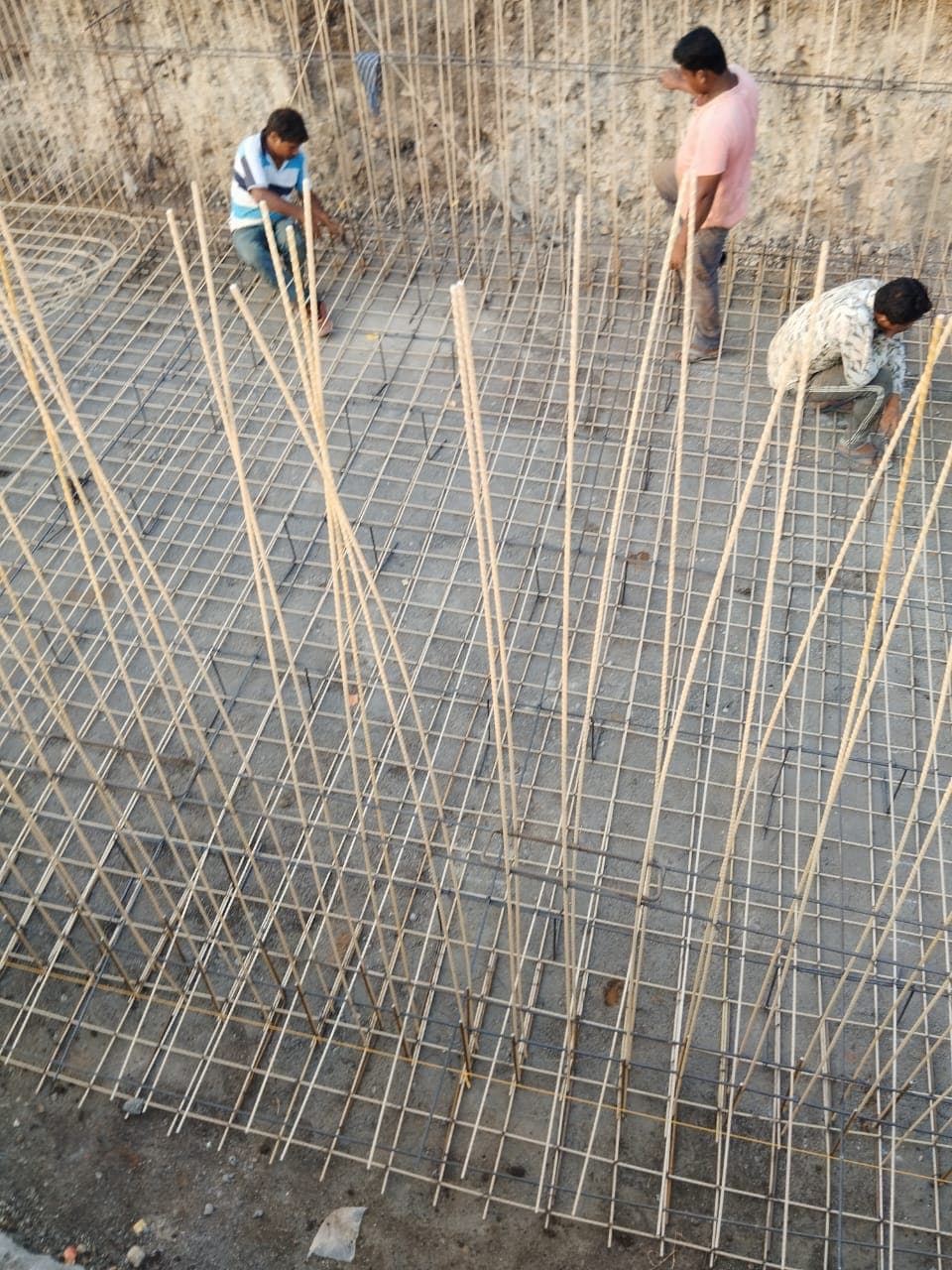
The Problem With Steel
Why steel lets these structures down
In this environment, corroding steel reinforcement is the single biggest threat to durability. Here's what goes wrong:
- Salt spray and sea water drive rapid chloride corrosion of steel.
- Tidal wet-dry cycling accelerates deterioration in the splash zone.
- Marine repairs are difficult, costly and often need cofferdams.
- Corrosion threatens the safety of coastal assets.
Why Endurobar Wins
Five reasons GFRP is the right call here
Corrosion Resistant
Never rusts and is fully compatible with water — no staining, spalling or cracking.
Chemically Inert
Unaffected by chlorine, salts, sulphates and treatment chemicals that destroy steel.
Non-Conductive
Carries no electrical current — a critical safety property near water and equipment.
2× The Strength
Roughly double the tensile strength of steel, so you reinforce with less material.
4× Lighter
A quarter of steel's weight — faster placement and far lower handling cost.
Where It Fits
Ideal for every variation
Sea walls & revetments
Coastal defences that endure permanent salt exposure.
Jetties & quays
Splash-zone structures immune to tidal corrosion.
Marine precast
Precast marine units cast with corrosion-free cages.
Coastal buildings
Seafront structures free of rust staining and spalling.
GFRP vs. Steel
The performance gap, measured
Endurobar GFRP
Glass Fibre Reinforced Polymer
Conventional Steel
TMT / Metal Rebar
Frequently Asked
Good to know
Because it cannot corrode, GFRP is the ideal reinforcement for salt-laden marine and coastal environments.
Yes — wet-dry and freeze-thaw cycling that fatigues steel has no corrosive effect on GFRP.
Yes, we supply factory-formed bent bars and cages to your marine precast drawings.